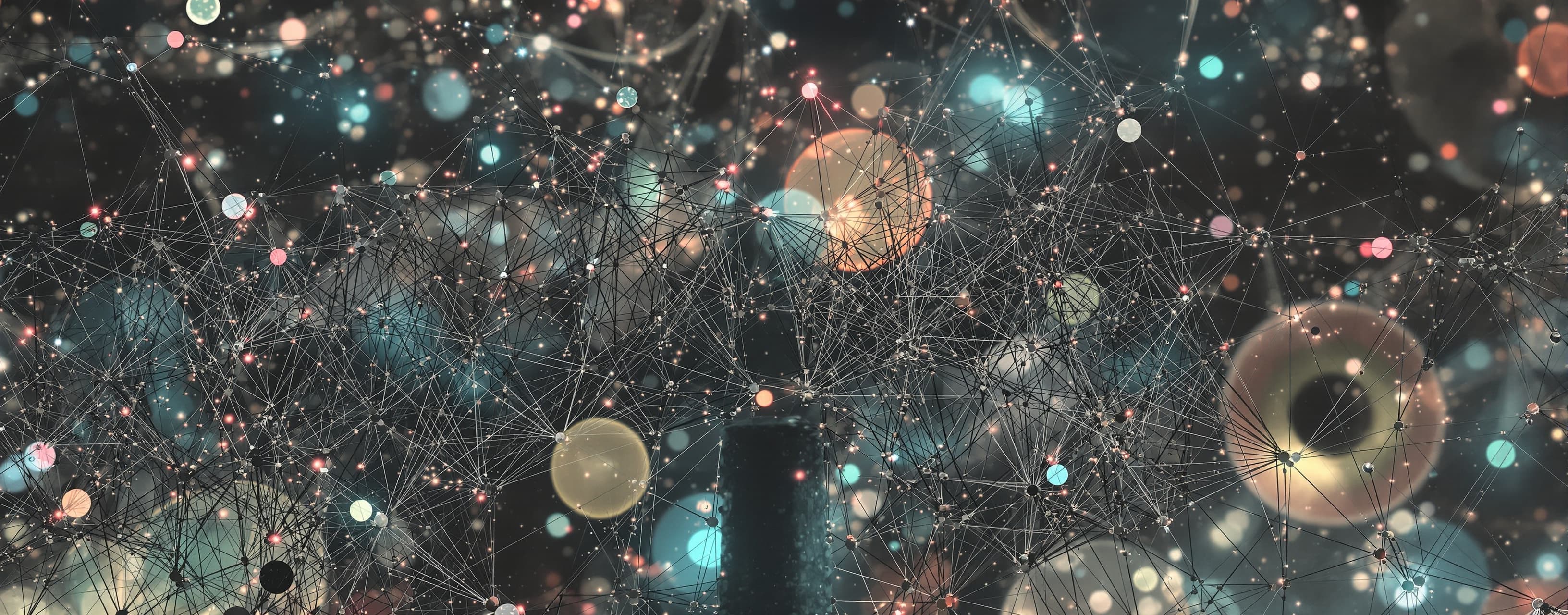
Consider a universe consisting of a vast network of nodes (r...
Prompt
Consider a universe consisting of a vast network of nodes (representing agents). These agents have the following strict constraints: They cannot communicate directly via messages, signals, or shared memory. The only way an agent can affect another is by changing its own internal state, which deterministically triggers a state change in its immediate topological neighbors. The network's topology is dynamic and changes completely at random every N ticks. No agent knows the global topology at any given time, nor do they know the value of N. The collective goal is for the entire network to reach a state of global synchronization (all nodes sharing the exact same state) and maintain it. Analyze the logical strategies the agents must adopt to maximize the probability of achieving synchronization under these constraints. Constraints for your response: Do not write code, algorithms, or pseudocode. Do not invoke specific named mathematical theorems or computer science protocols (e.g., do not mention Byzantine fault tolerance, consensus algorithms, or cellular automata by name). Rely purely on first-principles logical reasoning about causality, local vs. global knowledge, and state transitions. Identify the fundamental logical paradoxes that arise when trying to achieve global consensus under perfect local determinism but total global structural ignorance. Demonstrate your reasoning step-by-step.
 MiniMax
 Tencent