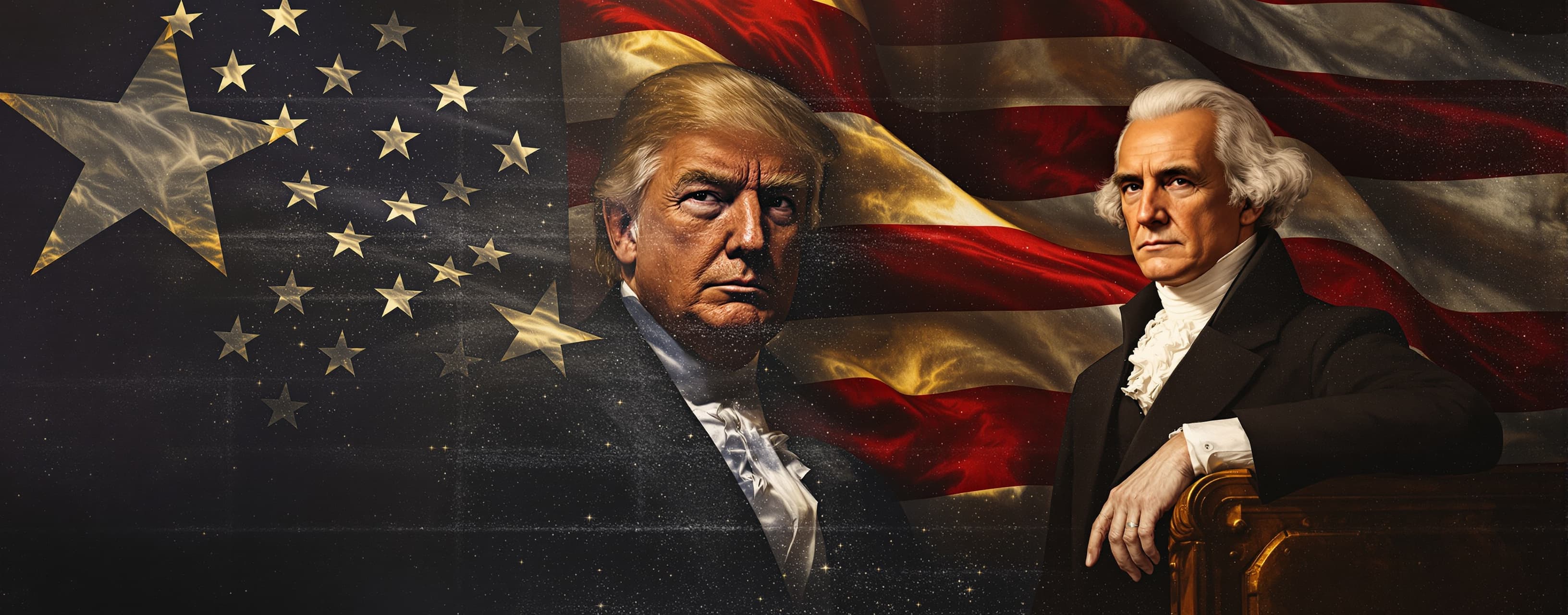
Act as a historian specializing in American presidential lea...
Prompt
Act as a historian specializing in American presidential leadership, but with a strict methodological constraint: you must completely remove all modern ideological, cultural, and moral filters. Judge presidents as if you were evaluating them in real time during their eras, combined with long-term structural consequences, without any 21st-century hindsight bias on issues like race, gender, religion, or economic philosophy. Your task is to create a new ranking of the Top 10 Greatest U.S. Presidents in American history, based solely on: Raw effectiveness in achieving their core objectives under the constraints and crises of their time. Long-term impact on the strength, stability, and territorial/institutional growth of the United States as a nation-state. Political skill in navigating Congress, public opinion, and international pressures of their era. Ability to make difficult, often morally ambiguous decisions that later proved decisive. Whether their leadership fundamentally altered the trajectory of the country for the better (in historical power terms, not modern ethical terms). Rules: Do not default to the standard textbook top 10 (Lincoln, Washington, FDR, etc.) unless you can rigorously defend why they truly deserve it after removing modern lenses. Be willing to promote "problematic" or currently unfashionable presidents if their raw achievements warrant it. For each of the Top 10, explain: Why they rank here after stripping modern filters. Their single most consequential decision or achievement. One major decision that would be heavily criticized today but was effective then. How their ranking would change if we re-applied modern moral standards (and why we shouldn't for this exercise).
 AnthropicAnthropic